

Industries / Machine OEMs
Machine OEMs operations need software shaped around the work.
Machine OEM work carries customer need through scope, estimate, engineering, procurement, build, test, delivery, and post-delivery follow-through.
Industry focus
Machine OEMs workflows
A machine project spends months moving between commercial, engineering, procurement, and build ownership. Margin is usually lost at those boundaries rather than inside any one of them.
Opportunity-to-scope
Preserve customer need, assumptions, options, exclusions, technical questions, and commercial ownership before estimating.
- Exclusions recorded as deliberately as inclusions
- Open technical questions carried into the estimate rather than resolved optimistically
- Commercial ownership named before the estimate is produced
- A declined opportunity keeps its record, so the next inquiry from the same customer starts informed
Engineering-to-build release
Connect approved requirements, drawings or records, purchased dependencies, changes, and release readiness to the build.
- Long-lead procurement decisions surfaced while they are still decisions
- Changes connected to every record they affect, not just the one being edited
- Release readiness assessed against approved requirements rather than elapsed schedule
Factory-to-customer handoff
Coordinate test evidence, open items, shipment state, installation inputs, training actions, and final follow-through.
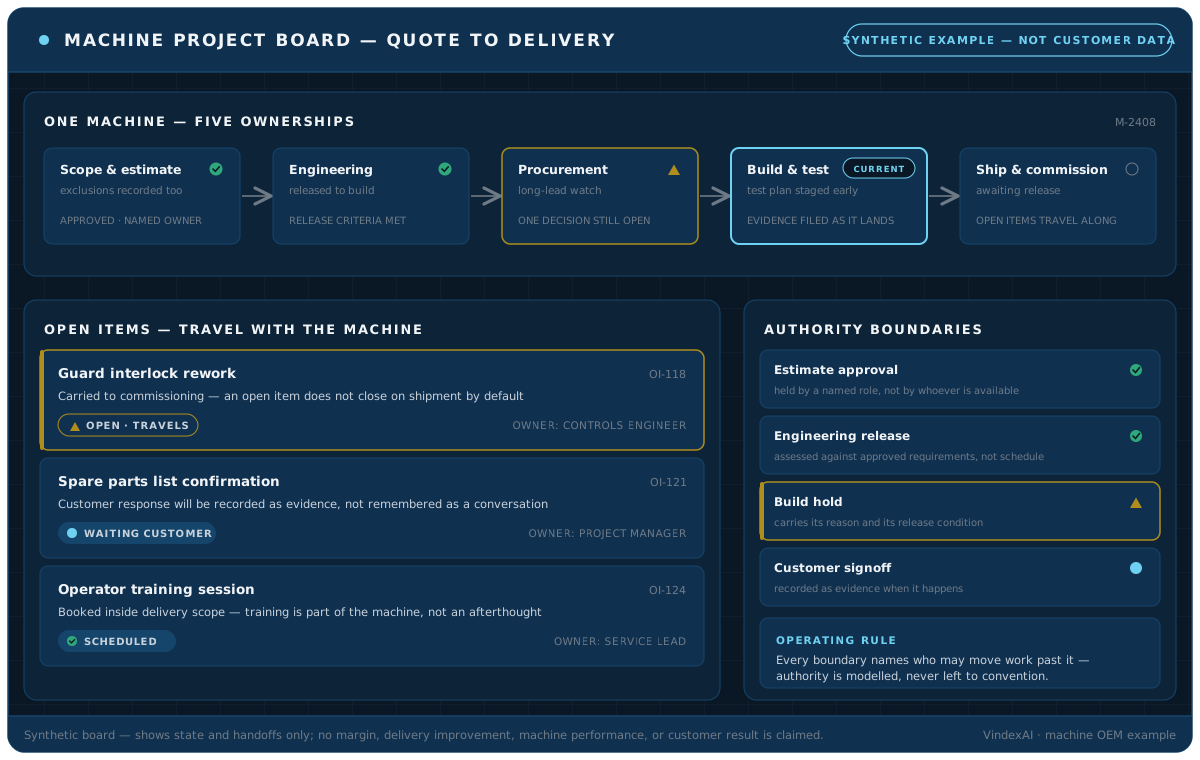
- Open items travel with the machine instead of closing on shipment by default
- Training and installation inputs treated as delivery scope, not afterthoughts
How we serve the industry
Machine OEMs controls, Buyer questions, and Proof boundary
Each authority boundary in a machine build is a place where work can stop, and each one is made explicit rather than left to convention.
Operating controls
Make estimate approval, engineering release, change acceptance, build hold, shipment authority, and customer signoff boundaries visible.
- Estimate approval and engineering release held by named roles, not by whoever is available
- A build hold carries its reason and its release condition, so a hold is actionable rather than ambient
- Customer signoff recorded as evidence, not remembered as a conversation
Buyer questions
Where do assumptions get lost, which long-lead decision is hidden, what blocks release, and who owns customer follow-through?
- The questions trace one machine through the boundaries where margin usually leaks
- The answers scope a first project view before any talk of a company-wide system
Proof boundary
Synthetic machine-project records show state and handoffs without claiming margin, delivery improvement, machine performance, or customer results.
- Machine performance stays with the OEM's own test and acceptance evidence
- Delivery-improvement figures are never published without customer-released measurement