

Smart Dashboards & Boards
Give the work a view people can run.
Custom software can include integrated smart dashboards, workplace visual boards, production boards, command views, status views, approval queues, and equivalent operating interfaces.
Operating focus
Views shaped around responsibility.
Anything the customer must run, and anything VindexAI runs for them, requires an operator-friendly visualization suited to the work.
Synthetic examples only
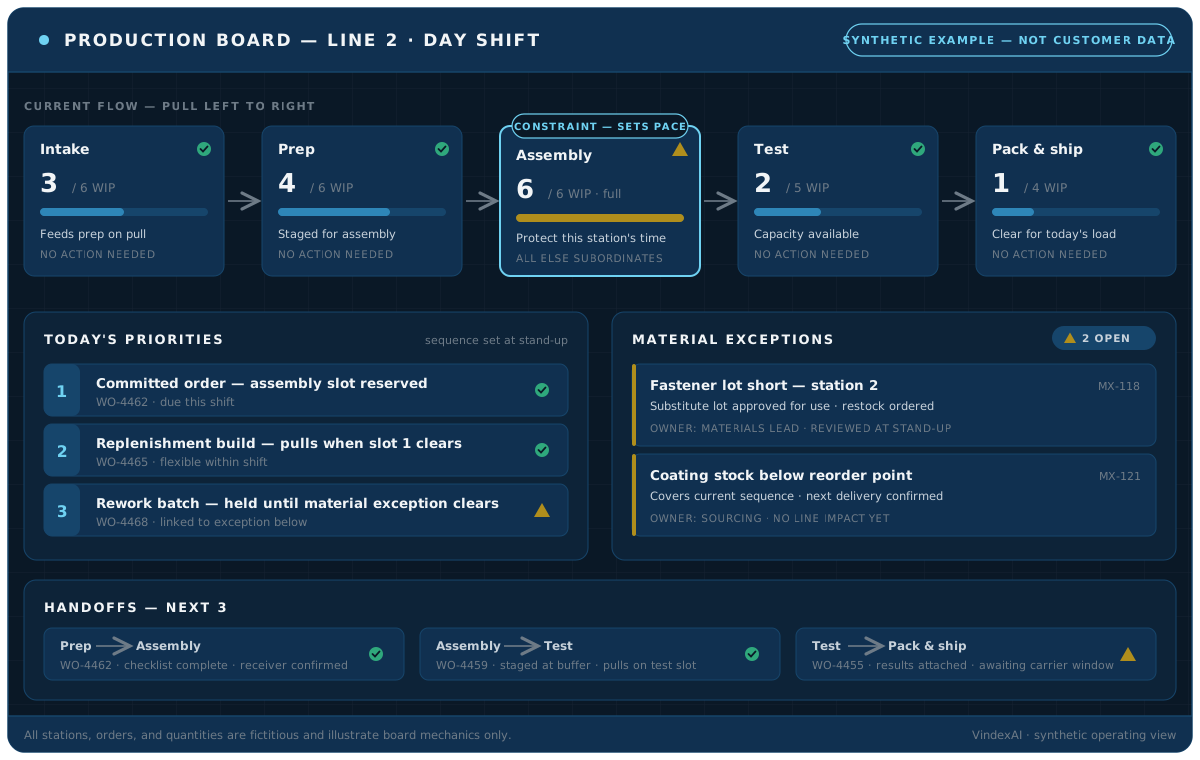
Workplace and production boards
Make current flow, constraints, handoffs, priorities, and material exceptions visible where work is coordinated.
- One view per coordination point: what is flowing, what is blocked, and who owns the next move
- The constraint marked as the pace-setter so the whole line works to the same signal
Command and status views
Bring state, evidence, alerts, and available controls into a focused surface for the responsible operator.
- One surface per responsibility, so the view answers “what needs me” rather than “what exists”
- Alerts carry the state that raised them, so triage starts informed
Approval queues
Show what changed, what evidence is attached, who has authority, and what decision is waiting.
- Each queue item shows the evidence and the authority, so the decision can be made in place
- Decisions leave a record: who approved, when, and against what evidence
How we approach it
Part of the software, not decoration around it.
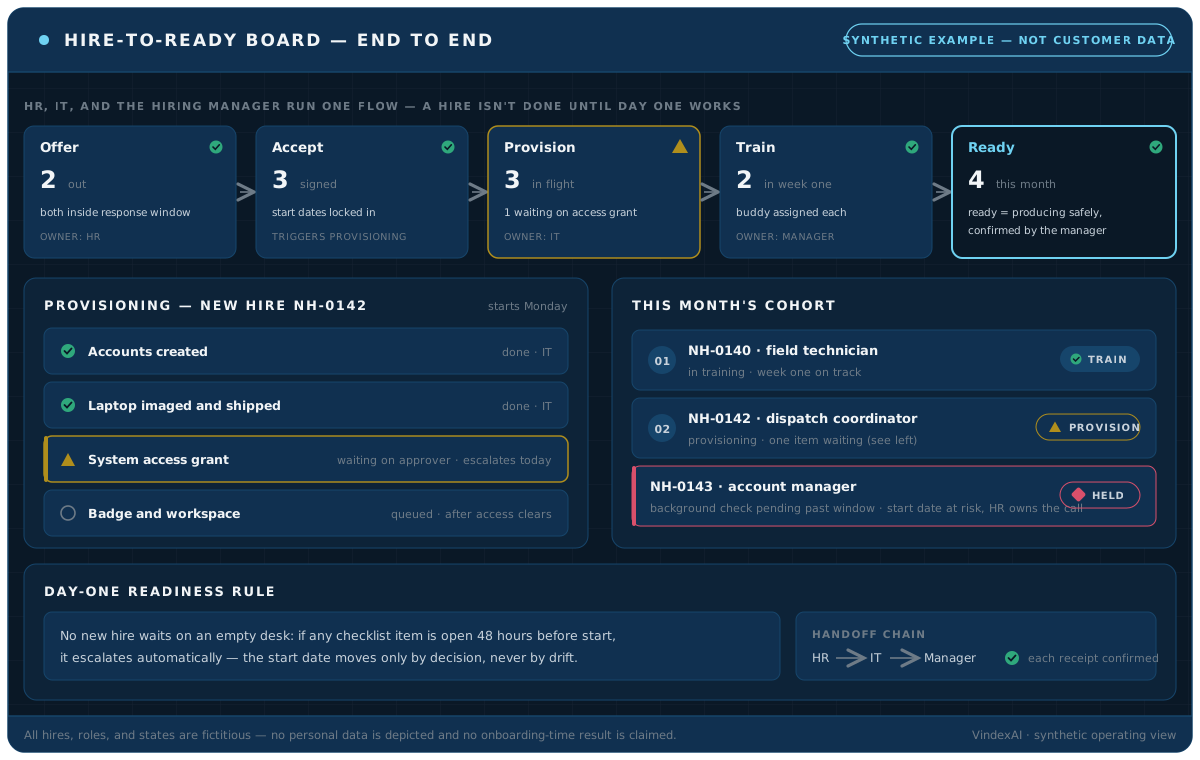
Integrated smart dashboards
Connect the visualization to the operating state and workflow so the view supports action rather than passive reporting.
- The board reads the same operating state the workflow writes, so it is never a separate report someone must maintain
- Available controls sit beside the state they act on, and every action stays within its stated authority
Client branding guidelines
Custom-brand implementations can follow the client's approved visual and interface guidelines while preserving clarity and usability.
- Clarity outranks decoration: brand is applied to a working view, never instead of one
Guided proof
Public examples use internal, synthetic, or irreversibly anonymized information and are labeled so they are not mistaken for customer evidence.